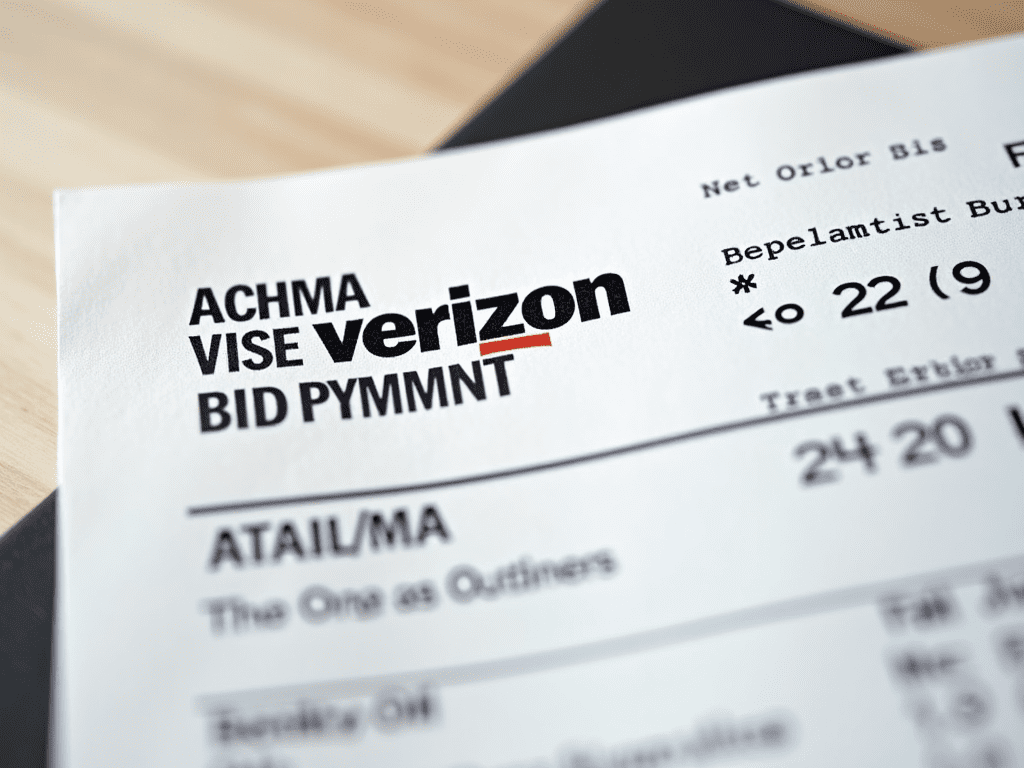
When checking your bank statement, you might notice a charge labeled ACHMA VISB. This could lead to confusion, especially if you’re unsure what it means or where it comes from. These charges are typically associated with Verizon Wireless payments processed through the Automated Clearing House (ACH) system.
Key Takeaways
Aspect
Details
Definition
Stands for Automated Clearing House Merchant Authorization Visa Bill Payment.
Purpose
Indicates payments processed through ACH for services, typically by Verizon.
Common Confusion
The labeling can make it unclear what services are being billed.
What is ACHMA VISB?
ACHMA VISB
The ACHMA VISB charge represents an electronic payment processed via the Automated Clearing House (ACH) system. This type of payment allows for direct withdrawals from your bank account to cover expenses.
Function of ACHMA VISB Charges
ACH transactions are commonly used for recurring billing such as monthly subscriptions, utilities, and, in this case, wireless services.
Authorization: These charges are typically authorized by you when you set up your service with a provider like Verizon Wireless.
Recurring Payment: This means that if you have a Verizon Wireless plan, ACHMA VISB will usually appear on your statement for your monthly bill.
How ACHMA VISB Charges are Processed
When you see an ACHMA VISBcharge on your bank statement, it signifies a payment processed electronically. Here’s how the process works:
Setup: When you sign up for services like those from Verizon Wireless, you often authorize them to withdraw payments directly from your bank account.
Automated Clearing House (ACH): The ACH system facilitates these transactions by transferring funds from your account to Verizon through a secure electronic network.
Bill Payment: Each month, your bill is calculated, and the required amount is automatically deducted from your account, resulting in the ACHMA VISB charge appearing on your statement.
Relationship with Verizon Wireless
Recurring Billing: Most commonly, these charges represent your monthly payment for wireless services. Verizon uses the ACH method to streamline billing, making it easier for customers.
Customer Convenience: By enabling ACH payments, Verizon allows its customers to avoid manual payment processes each month, ensuring timely bill payment and preventing late fees.
What to Expect
When you see an ACHMA VISB charge:
It indicates regular service fees from Verizon.
Future charges will likely continue each month unless you cancel the service or change your payment method.
Steps to Verify and Manage ACHMA VISB Charges
If you notice an ACHMA VISB charge on your statement and want to ensure its legitimacy, here are some steps you can take:
Check Your Records
Review Contracts: Look through your Verizon Wireless contracts or service agreements to confirm the charge aligns with your billing cycle and amount.
Check Emails: Search for any billing notifications or emails from Verizon that might explain recent charges.
Contact Verizon
If you’re still unsure about the charge:
Customer Service: Reach out to Verizon’s customer service for clarification. They can provide details about the charge and verify its legitimacy.
Online Account: Log into your Verizon account online to view your billing history and payment details.
Manage Payment Methods
To ensure future payments are accurate and convenient:
Update Billing Information: If needed, update your payment method through Verizon’s account management portal.
Set Alerts: Consider setting up alerts for transactions over a certain amount to monitor unexpected charges.
Dealing with Unauthorized Charges
If you suspect the ACHMA VISB charge is unauthorized, take these steps:
Identify Unauthorized Activity
Monitor Statements: Regularly check your bank statements for unfamiliar transactions.
Cross-Check Accounts: Ensure no one else has access to your account information who shouldn’t.
Steps to Dispute
If you confirm a charge is unauthorized:
Contact Your Bank: Report the unauthorized charge to your bank immediately. They can freeze the transaction and investigate further.
Dispute the Charge: Request a formal dispute through your bank or card issuer. They may issue a temporary credit while investigating.
Preventive Measures
To protect against future unauthorized charges:
Secure Your Information: Keep your banking and personal information secure. Avoid sharing it unnecessarily.
Regular Monitoring: Regularly review account statements and set up fraud alerts with your bank.
Is ACHMA VISB Fraudulent?
While most ACHMA VISB charges are legitimate, there is always a risk of fraud if someone gains unauthorized access to your account. It’s crucial to act quickly if you suspect any fraudulent activity.
Verizon’s Fraud Prevention
Verizon has measures in place to prevent fraud, including customer verification processes and secure transaction methods. If you suspect fraud, contacting both Verizon and your bank promptly can help resolve the issue efficiently.
Understanding ACHMA VISB charges is essential for managing personal finances effectively. These charges typically relate to authorized payments for services like those from Verizon Wireless. However, staying vigilant by regularly monitoring statements and understanding how these transactions work can prevent confusion and protect against unauthorized activity.
By following these guidelines, you can ensure that all charges on your statements are legitimate and take action quickly if anything seems amiss.